

Maktoum bin Mohammed chairs meeting of the Higher Committee for the Development of the Economic and Financial Sector

- Maktoum bin Mohammed chairs meeting of the Higher Committee for the Development of the Economic and Financial Sector, reviews Dubai's economic and financial performance indicators
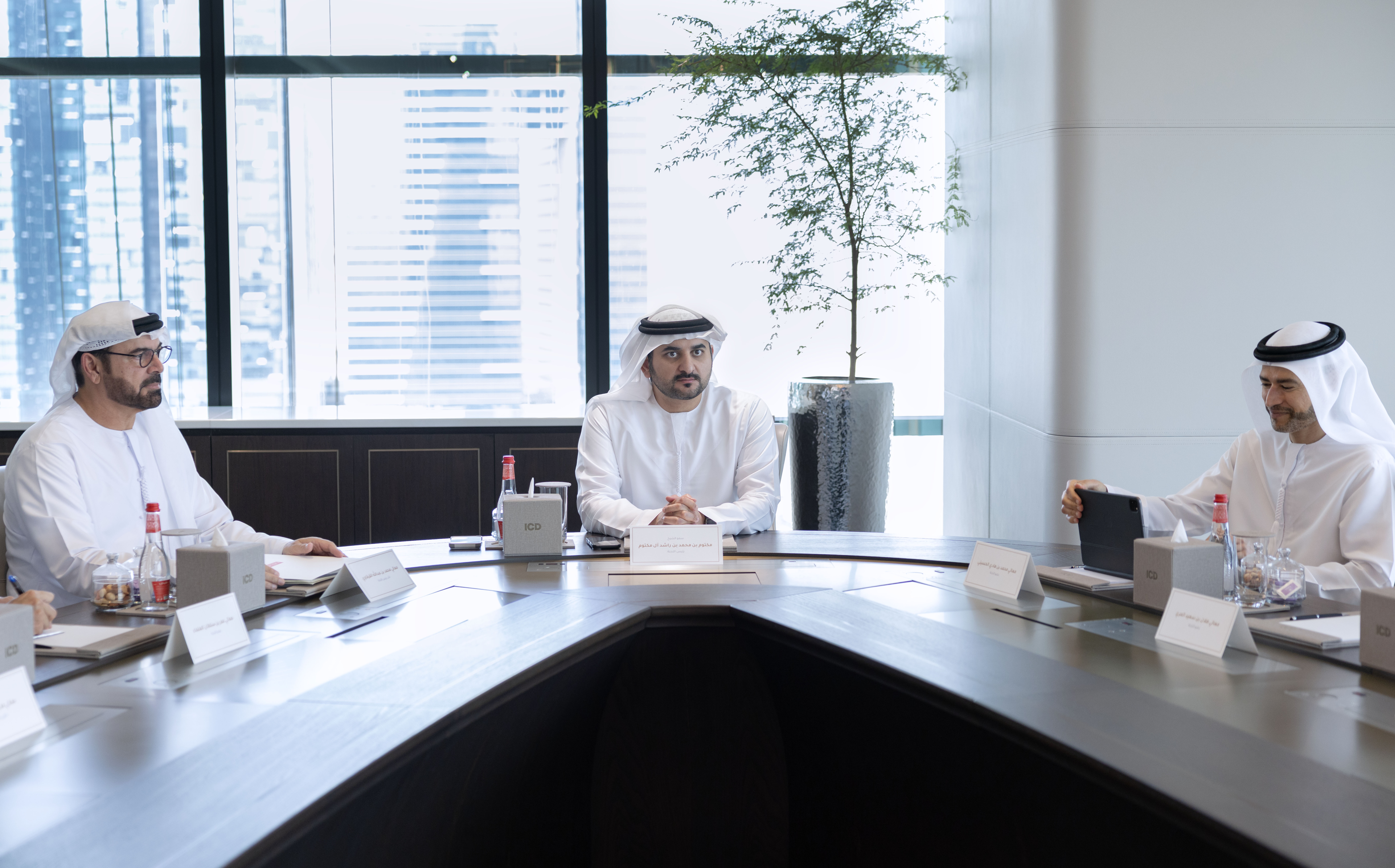
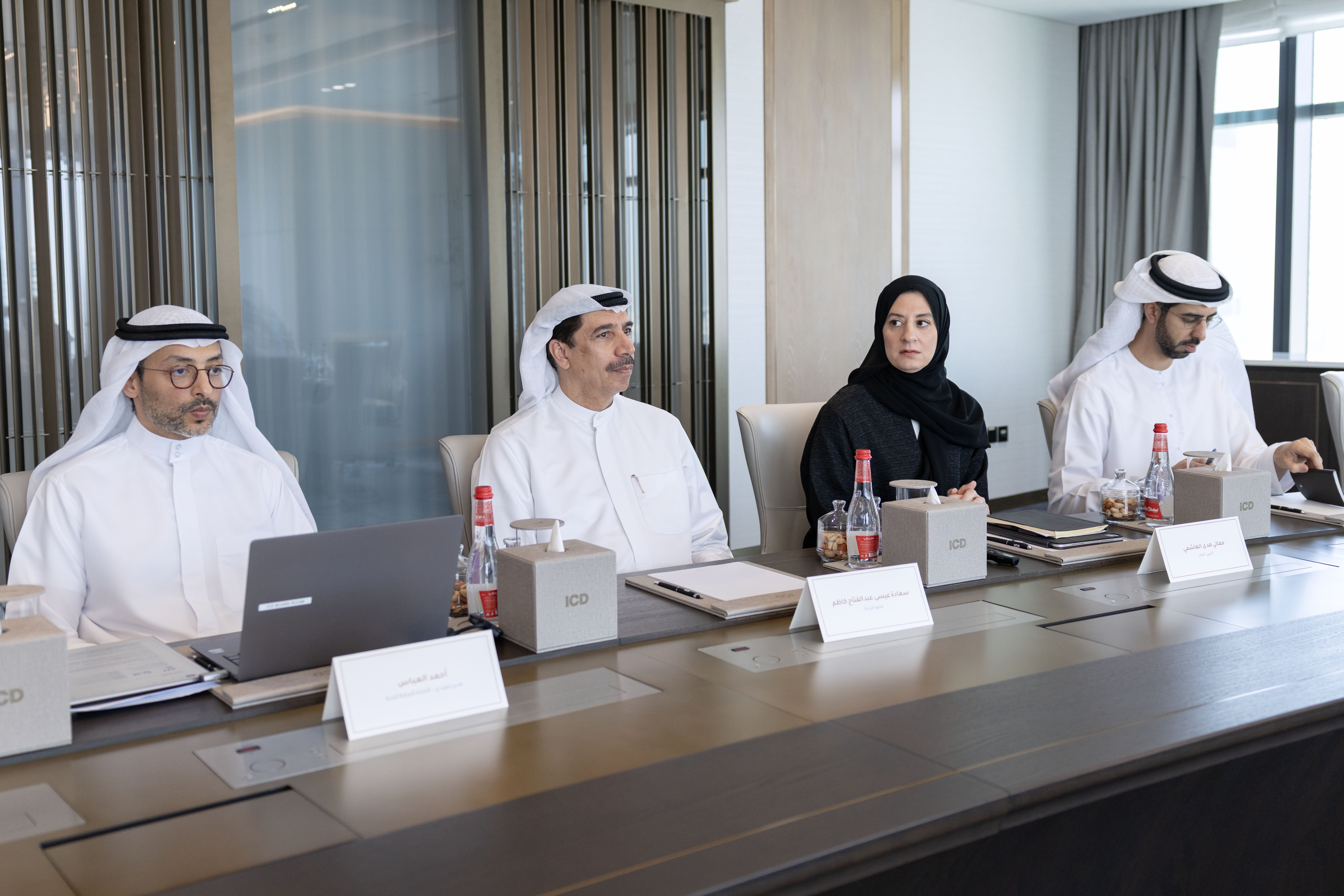
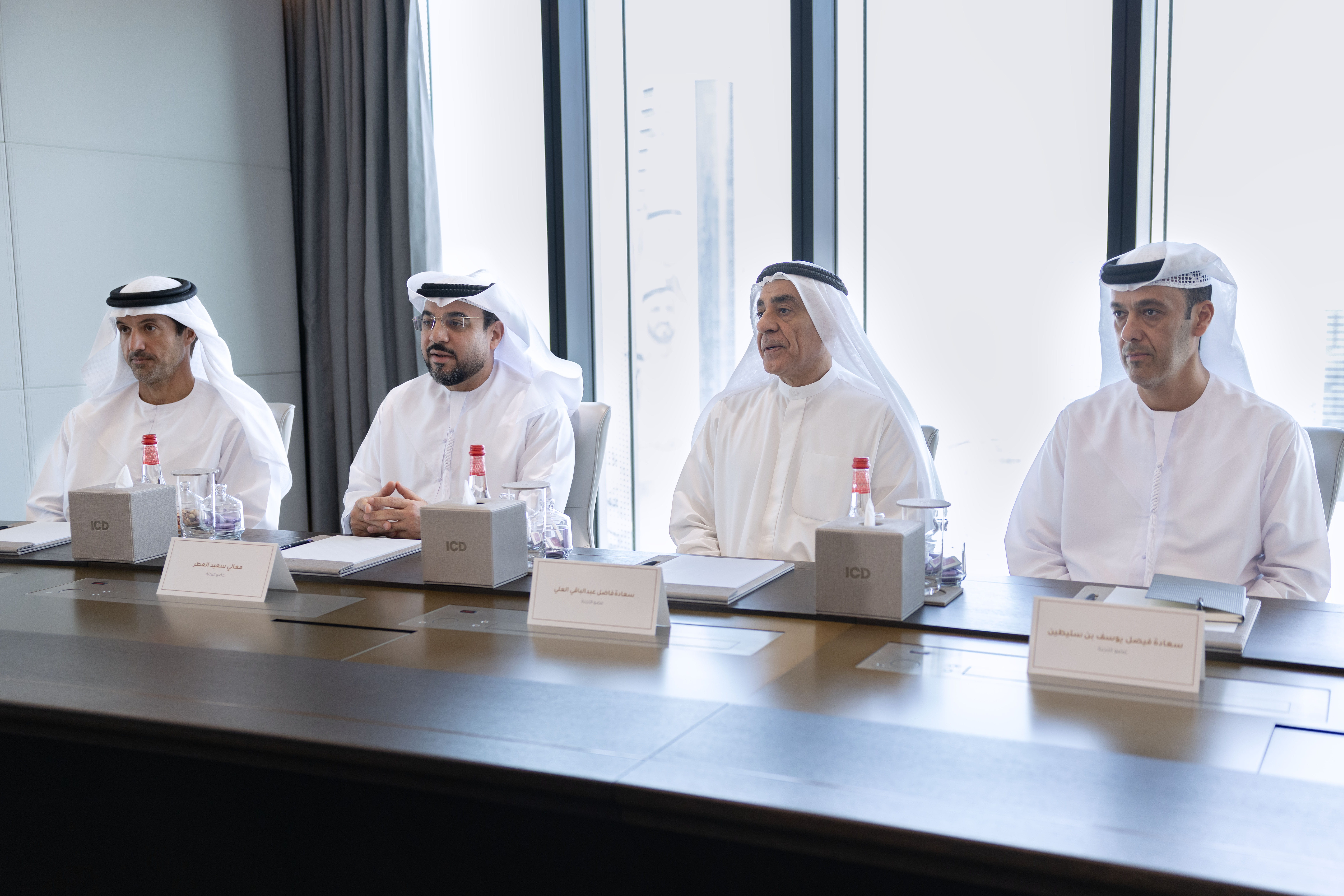
His Highness Sheikh Maktoum bin Mohammed bin Rashid Al Maktoum, First Deputy Ruler of Dubai, Deputy Prime Minister, Minister of Finance and Chairman of the Higher Committee for the Development of the Economic and Financial Sector, chaired a meeting of the Committee to review the latest performance indicators across Dubai’s economic and financial sectors.
The meeting highlighted the emirate’s progress across several global financial competitiveness indices and reviewed proposed strategic directions to reinforce Dubai’s standing as a leading, integrated global hub for gold.
His Highness Sheikh Maktoum bin Mohammed bin Rashid Al Maktoum emphasised that Dubai, guided by the vision and directives of His Highness Sheikh Mohammed bin Rashid Al Maktoum, Vice President and Prime Minister of the UAE and Ruler of Dubai, continues to advance its economic competitiveness, develop its financial and economic sectors, build integrated ecosystems to drive sustainable growth, and further reinforce its position among the world’s leading hubs for business, finance and trade.
His Highness stated: “Guided by the vision and directives of His Highness Sheikh Mohammed bin Rashid Al Maktoum, we continue Dubai’s journey of economic diversification, competitiveness and sustainability. We continue to reinforce the emirate’s standing as a global hub for business, finance and trade by developing more competitive economic and financial sectors that are better capable of attracting investments, talent and global companies.”
During the meeting, the Committee reviewed Dubai’s competitiveness indicators in the financial sector, which showed the emirate ranking first globally in FinTech on the Global Financial Centres Index (GFCI) published in September 2026, rising from fifth place in March 2026.
Dubai also advanced to become second globally in Professional Services (up from fourth) and sixth in reputation (up from eighth), reflecting its continuous rise among top international financial centres.
For the fourth consecutive time, Dubai maintained its leading position among global financial centres expected to become more significant over the next two to three years, in a testament to global confidence in its ability to sustain growth and strengthen its role in the global financial economy.
In the virtual assets sector, the number of licensed Virtual Asset Service Providers (VASPs) under the Virtual Assets Regulatory Authority (VARA) rose to 52, with assets under management reaching AED28 billion. Furthermore, trading volumes among licensed VASPs reached approximately AED7.43 trillion over the past 12 months, highlighting the sector's rapid growth and Dubai's evolving regulatory ecosystem.
DFM market capitalisation at AED993.1 billion
Financial market indicators highlighted sustained momentum across the Dubai Financial Market (DFM), with market capitalisation reaching AED993.1 billion by the end of the third quarter of 2026. DFM also saw a 24.5% surge in average daily trading values, while institutional trading accounted for 71% of total trading value.
DFM attracted 55,462 new investors during the first nine months of 2026, with international investors representing 72.1% of new entrants to the market, reflecting a broadening investor base and the market's strong appeal to global capital.
Dubai International Financial Centre (DIFC) continues to reinforce its role as a premier platform for businesses and financial services, hosting over 10,000 active registered companies. These include 592 wealth and asset management firms, alongside 1,933 FinTech and innovation firms, and the largest concentration of hedge funds in the region, underscoring the ongoing expansion of Dubai's financial ecosystem and the growing base of international institutions leveraging the emirate as a launchpad for their regional and global operations.
Reinforcing Dubai’s position as a global hub for gold
Among the strategic priorities addressed during the meeting, the Committee reviewed statistics on the gold sector in Dubai and the UAE, as well as proposed directions to develop a comprehensive strategy that reinforces Dubai’s position as a leading global hub for gold. The proposed strategy spans all components of the value chain, from supply, refining and trading, to storage, financing, pricing, digital tokenisation and retail.
Figures reviewed by the Committee showed that Dubai’s foreign gold trade reached approximately AED1 trillion in 2025, an increase of 60% year-on-year. The volume of physical gold traded in the UAE reached around 2,750 tonnes, placing the country second globally among physical gold trading hubs, with an estimated 13–15% of globally traded gold passing through Dubai annually.
Dubai’s geographic location reinforces its role as a vital link connecting bullion supply sources in Africa and Central Asia with major demand markets in India, China and across the globe. The precious metals, gemstones and diamonds ecosystem at the Dubai Multi Commodities Centre (DMCC) comprises over 1,500 member companies, while the Dubai Gold District, launched in 2026, hosts more than 1,000 retail gold and jewellery traders.
This ecosystem has witnessed the launch of the UAE Good Delivery Standard and the establishment of the UAE Bullion Market Committee in 2021, followed by the launch of the Dubai Gold District in 2026, marking continuous institutional and regulatory development.
Six key directions under the Dubai Gold Strategy
The Committee reviewed six proposed strategic directions for the development of the Dubai Gold Strategy. The first focuses on developing an integrated global market for gold trading by expanding market depth and connecting producers, refineries and buyers across Africa, the Middle East and Asia.
The second direction focuses on strengthening Dubai’s position as a global hub for gold financing by exploring opportunities in gold-related financing, clearing, collateralisation, hedging and institutional trading.
The third aims to solidify Dubai’s status as a trusted and neutral centre for gold storage, by enhancing secure storage capabilities for institutional and sovereign assets. The fourth direction addresses boosting the competitiveness of gold traded through Dubai by advancing traceability, transparency standards and advanced practices.
The fifth direction addresses supporting Dubai’s role in gold price discovery by examining financial instruments and platforms that leverage market depth and liquidity. The sixth direction focuses on reinforcing Dubai’s standing as a premier global destination for jewellery and end-user demand, driving retail trade and consumer demand while enhancing market appeal for traders and investors.
Committee to oversee development of Dubai Gold Strategy
The meeting also approved the establishment of a committee chaired by His Excellency Abdulla bin Damithan to drive the execution of the approved strategic direction for the Dubai Gold Strategy, further develop and refine its initiatives, and coordinate with relevant entities to establish a clear implementation roadmap.
The committee’s responsibilities include identifying actionable initiatives and defining roles and partners, as well as proposing a governance model and execution timelines. This approach ensures a structured transition from strategic directions to informed, adoption-ready initiatives, while fostering public-private sector partnerships.
More on these topics
Most Recent News

Theyab bin Tahnoon inaugurates 15th season of Dubai Miracle Garden

Dubai South welcomes Dior Regional Distribution Centre




 For an optimal experience please