

World Free Zones Organization holds its 12th annual World Congress in Panama with high-level global participation
The 12th annual World Free Zones Organization (World FZO) World Congress was held in Panama City under the theme ‘Free Zones in the New Global Operational Model: Challenges and Opportunities’, focusing on the role of economic zones as key drivers of economic diversification, industrial development, and cross-border integration.
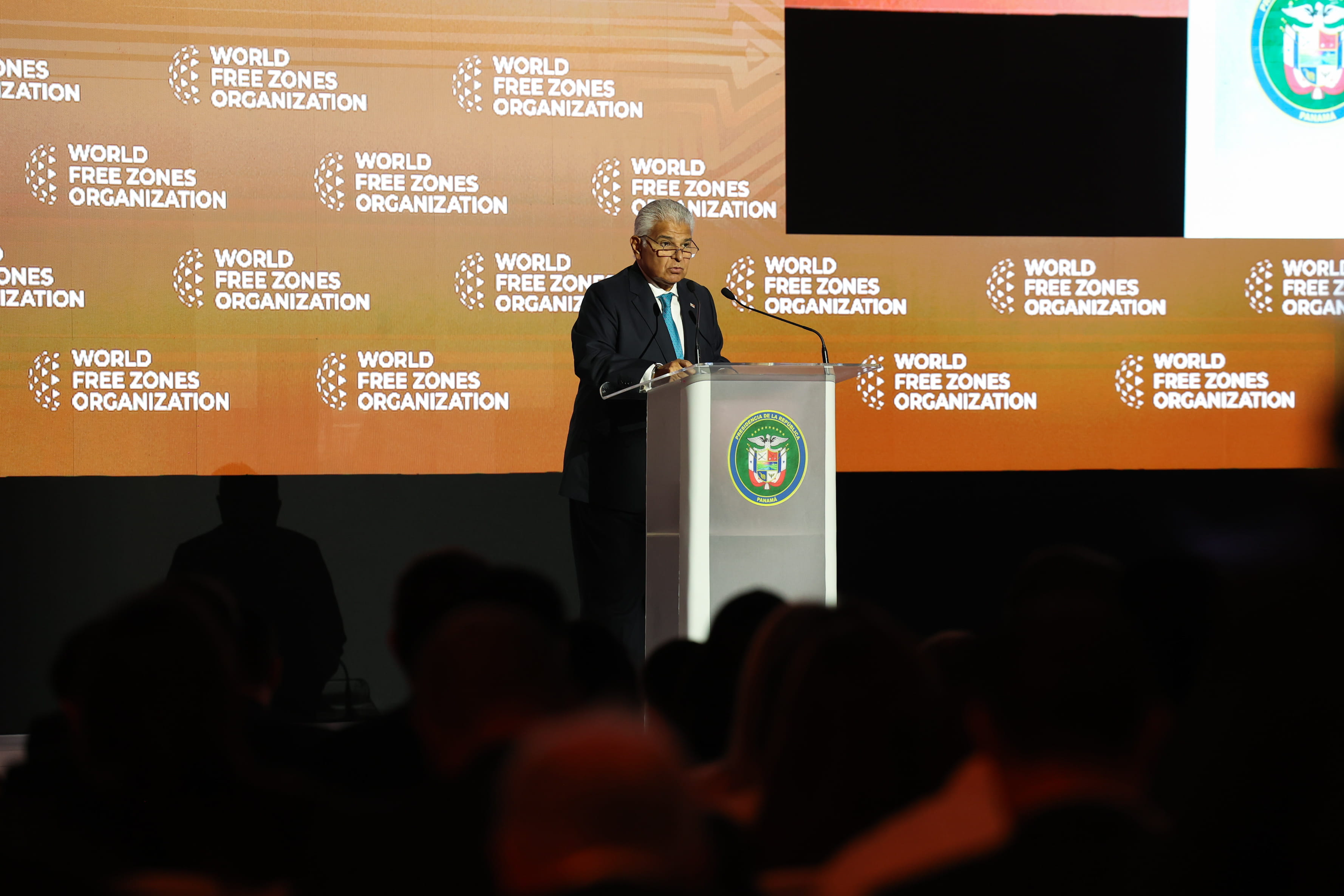
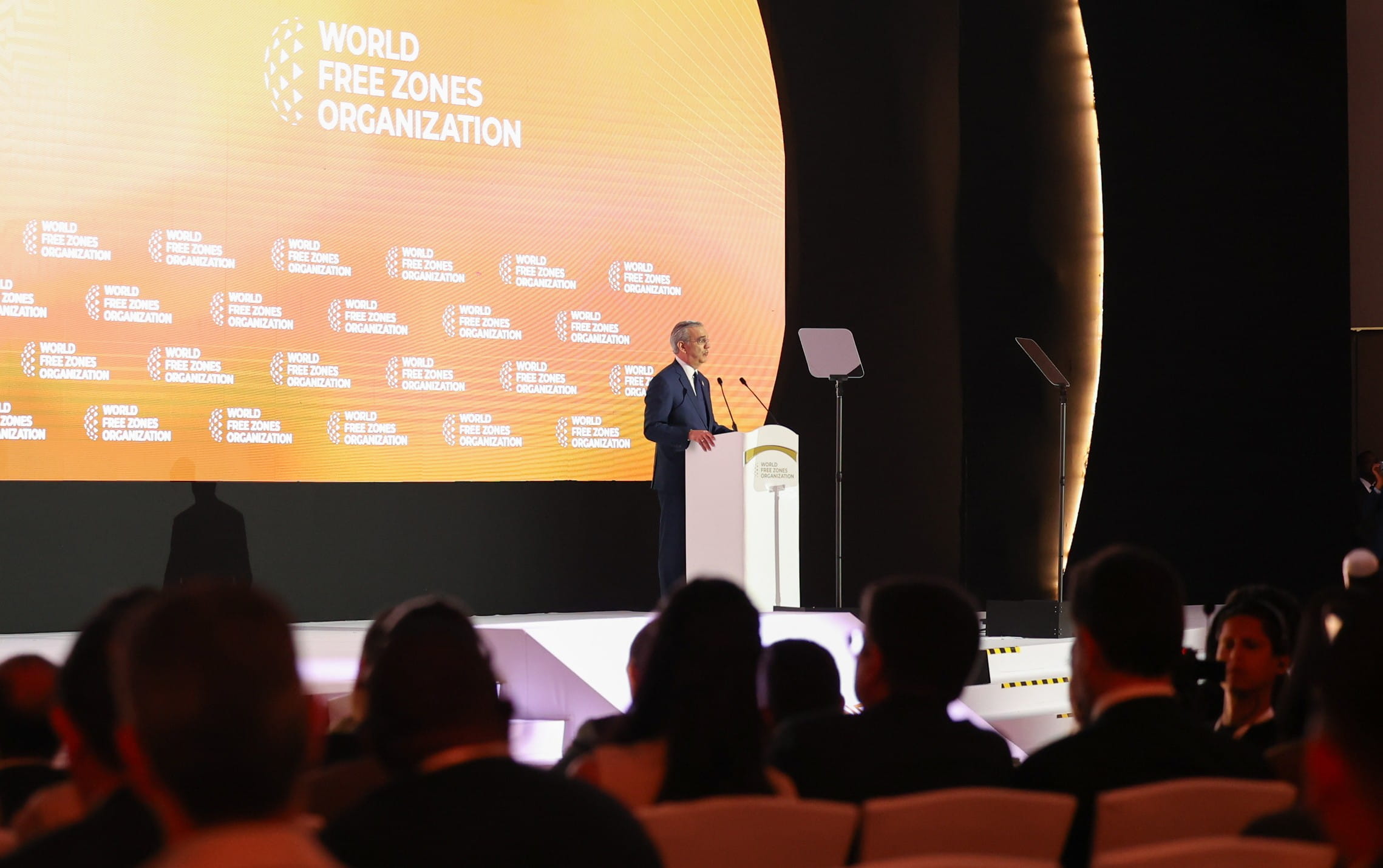
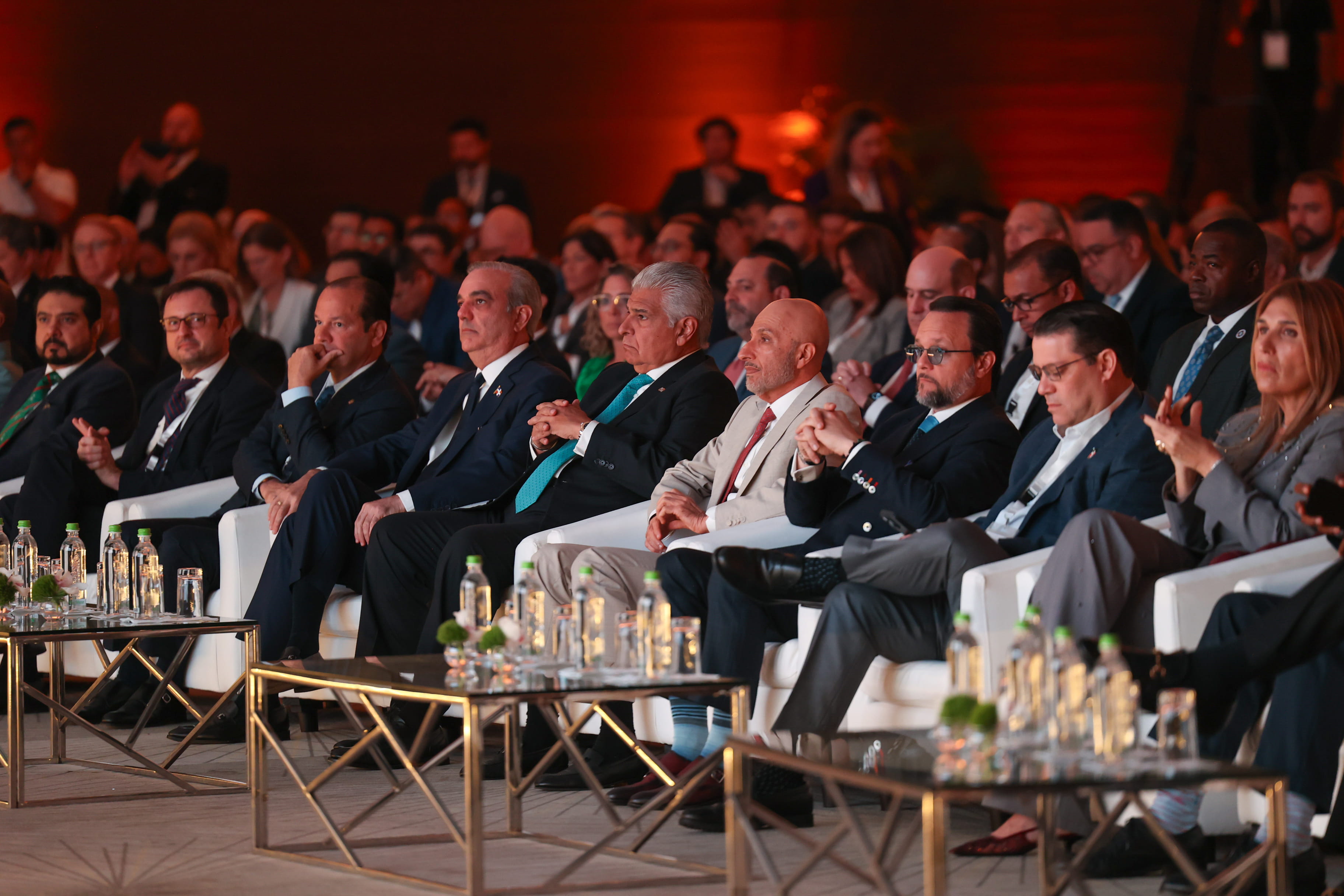
His Excellency José Raúl Mulino, President of Panama, inaugurated the Congress of the Dubai-headquartered organisation in the presence of His Excellency Luis Abinader, President of the Dominican Republic, and His Excellency Dr. Mohammed Al Zarooni, Chairman of the World FZO. The event also brought together 27 ministers from various countries and more than 2,000 participants, including global and regional business leaders, experts, CEOs of economic zones, representatives of international organisations, and senior government officials from over 70 countries.
In his keynote address, President José Raúl Mulino welcomed the hosting of the Congress in Panama and expressed his pleasure at bringing together government leaders, business executives, and representatives of free zones from around the world. He reaffirmed his strong belief that free zones enhance economic freedom, stimulate global trade, and serve as a key driver of national progress. He also stressed that investment remains the true engine of development, wealth creation, and stronger purchasing power.
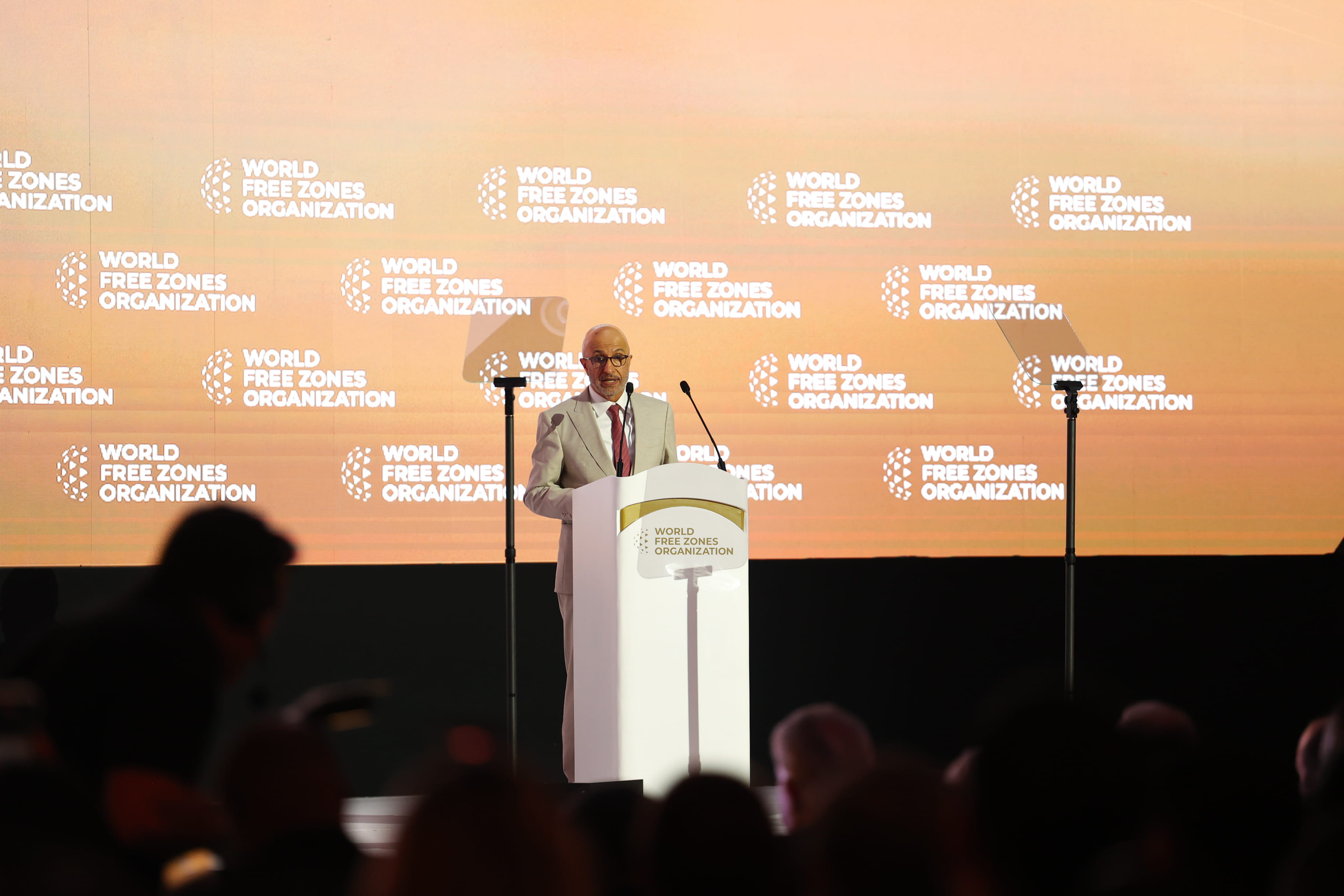
His Excellency Dr. Mohammed Al Zarooni, Chairman of the World FZO, highlighted Panama’s role as a strategic gateway to the Americas and a vital hub for global trade, logistics, and investment, while expressing appreciation to the Government of Panama for co-organising the event.
During his keynote speech, he said: “Inspired by the vision of Dubai, from which it was launched, the World Free Zones Organization continues to lead the global dialogue on the future of free and economic zones amid the rapid transformations shaping the global economy. Today, we are witnessing a pivotal phase in the evolution of the global economy, as trade flows undergo rapid transformation in an increasingly complex world shaped by economic and geopolitical dynamics. These developments are reshaping supply chains to ensure the continuity of trade and their ability to adapt to change. In this evolving global landscape, free zones are becoming more important than ever, helping businesses adapt, access new markets, and continue to grow even in volatile environments.”
Dr. Al Zarooni added: “We must recognise the scale of the transformations taking place around us. Geopolitical developments are reshaping trade routes and investment flows, while technology is rapidly transforming industries across sectors. Regulatory requirements are also increasing, particularly in the areas of transparency, sustainability, and compliance. At the same time, competition among free zones has intensified, making differentiation a critical factor for success. Today, free zones are required to specialise and deliver greater and more advanced value than ever before.”
Dr. Al Zarooni also highlighted several major trends shaping the sector, including the rapid rise of generative artificial intelligence and its role in advancing customs operations, forecasting logistics flows, automating compliance processes, and enhancing investor experiences. He also addressed sustainability, noting the growing opportunities for free zones to attract green industries, support environmentally friendly production, and help businesses grow in a more sustainable manner.
He concluded by noting that governments no longer view free zones merely as regulatory tools, but increasingly as strategic assets capable of driving transformation, attracting innovation, and supporting long-term growth. He stressed the need for stronger partnerships, broader dialogue, and greater flexibility to ensure policies keep pace with the rapid evolution of business, while calling on the public and private sectors to work together towards a more prosperous future for free zones worldwide.
Caribbean Special Economic Zones Regional Association
Dr. Al Zarooni also witnessed the signing of a Memorandum of Understanding (MoU) by ministers, officials, and policymakers from the Caribbean region to establish the Caribbean Special Economic Zones Regional Association. Under the agreement, the founding parties will collaborate on developing the legal and operational framework of the association, including governance structures, institutional standards, and initiatives aimed at strengthening regional cooperation and engagement with stakeholders.
The association will serve as a unified voice for the Caribbean region in global discussions related to special economic zones, trade, investment, and economic development, while supporting knowledge exchange and fostering long-term collaboration between the public and private sectors.
‘One Zone’ Platform
During the Congress, the World FZO announced the expansion of services offered through its ‘One Zone’ digital platform with the launch of a new website and dedicated members’ portal. The platform is designed to strengthen global connectivity, enhance member engagement, and support knowledge exchange across the global free zones community. It integrates a range of key services, including certification systems, training, research and advisory services, and performance benchmarking, within a seamless and secure digital environment, reinforcing the organisation’s role in facilitating trade, investment, and sustainable economic growth worldwide.
Executive Leadership Programme
The World FZO partnered with INCAE Business School to deliver an Executive Leadership Programme tailored for C-level executives of free zone organisations, attracting around 700 participants from across the world. In a first for the Congress, participants received digital certificates issued by INCAE Business School, marking the inaugural integration of accredited executive education into the World FZO Congress programme.
Tourism Special Economic Zones
The Congress also marked the launch of a joint white paper by the World FZO and the United Nations Tourism Organization on Tourism Special Economic Zones. Considered the most comprehensive study of its kind, the paper explores the operational frameworks and future potential of these zones through survey findings, interviews, and case studies combining global perspectives, practical expertise, and emerging models from different regions around the world.
The findings outlined in the paper provide an important foundation for policymakers and stakeholders looking to shape the next generation of tourism investment strategies. As countries increasingly explore Tourism Special Economic Zones as part of their development agendas, the study highlights the growing integration of tourism with economic zone models through structured and strategic approaches.
More on these topics
Most Recent News

Emirates taps GE Aerospace for expertise to advance piece part repair capabilities for engine maintenance

‘PropTech Connect Middle East’ opens a regional office in DIFC




 For an optimal experience please